Skip to content
Kim Flint Foundation

Our work

Where your money goes

Adrenocortical carcinoma is so rare that it slips through almost every net – in care, in research and in funding. That is exactly where we step in.

Area 01

Making treatment possible when the standard path ends

Direct help for patients who are ill today.

With adrenocortical carcinoma, the treatment path is short. If first- and second-line therapies don't work, standard care has nothing more to offer. What remains are treatment approaches from other parts of the world that can still bring hope.

The bottleneck is rarely medical knowledge – it's funding. Health insurers usually only reimburse such treatments once they have proven successful. Until then, someone has to pay upfront, and for many families that's simply not possible.

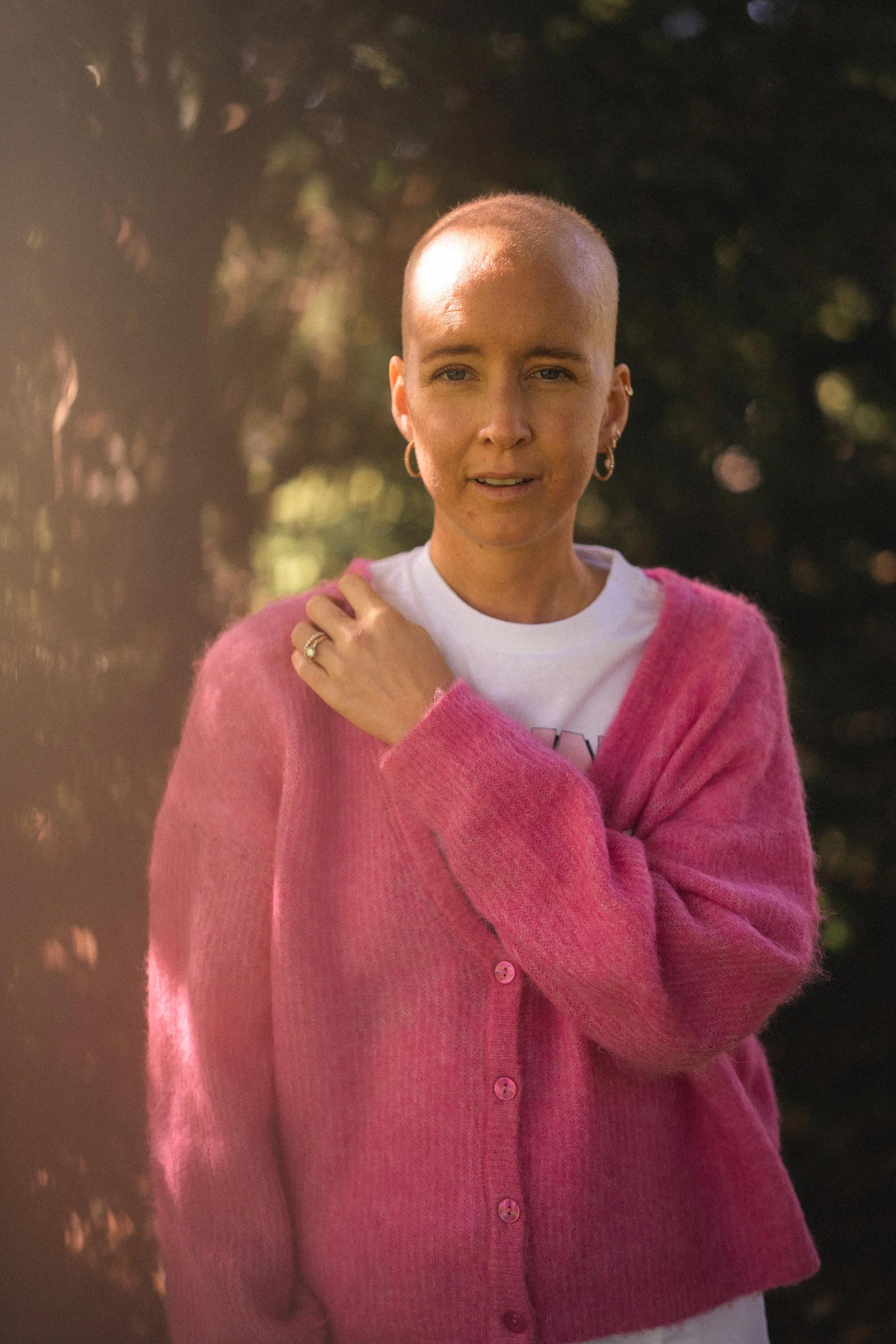
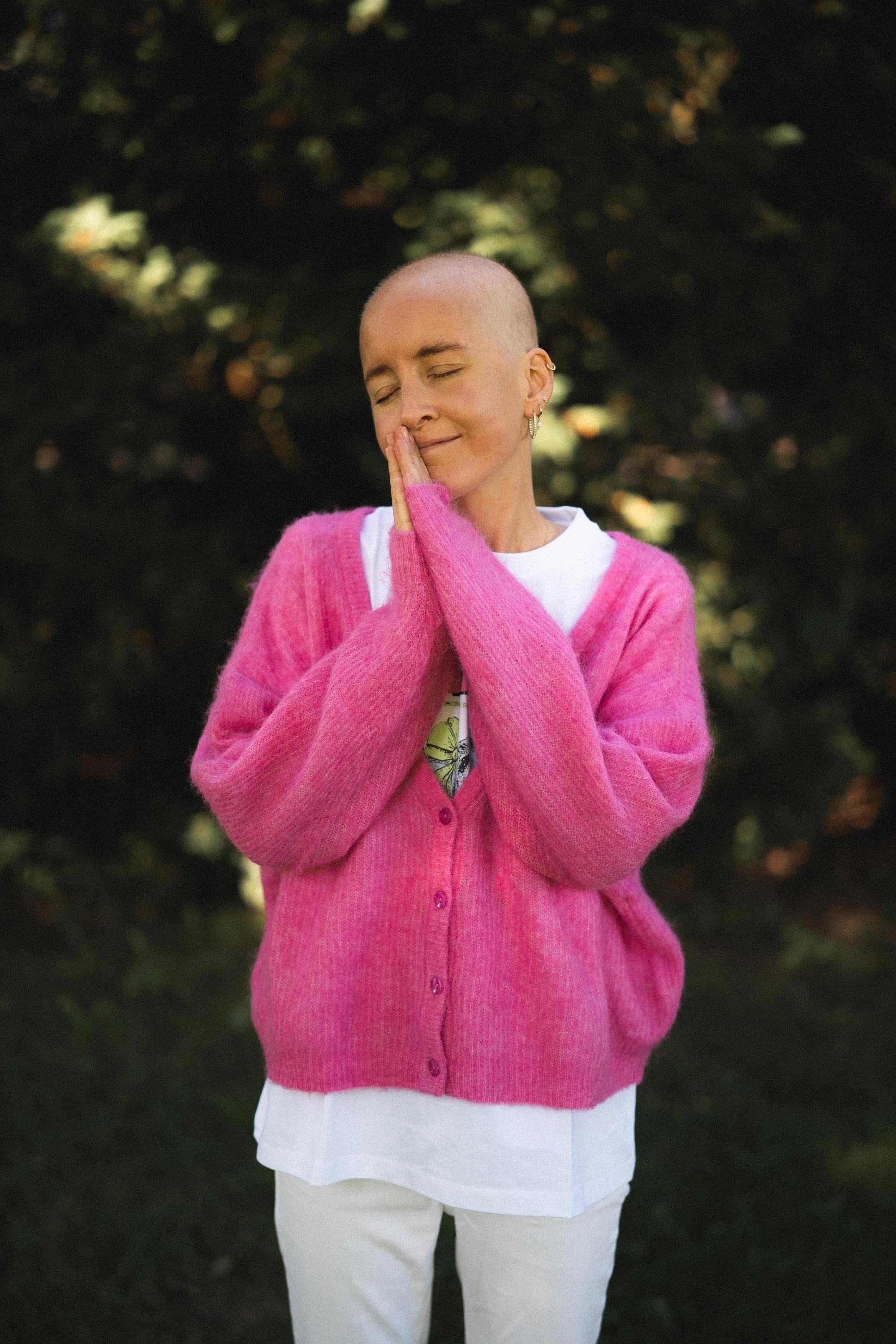
This is exactly the gap we close. The foundation pre-finances treatment so that it is decided on medical grounds rather than failing because of the bill. We were able to take this step for Kim. Others aren't so lucky, and we want to change that.

Area 02

Funding research that goes beyond today's therapies

Targeted support for novel approaches.

The immunotherapies available today fail too often with this cancer. A key reason lies in the defence mechanisms the tumour builds against the immune system. Making progress here means working on approaches that go beyond the established standard.

Such projects are scientifically demanding and economically unattractive because the disease is so rare. As a result, they regularly fall through the cracks of the usual funding programmes.

That's why we work closely with Professor Martin Fassnacht and his team at University Hospital Würzburg, the world's leading group in this field. Our foundation is still too young for giant leaps, and we say so openly. So we focus our funding where a modest amount makes the difference – for example, research positions that make a project possible in the first place.

Area 03

Opening a new path: highly personalised medicine

What's possible when someone takes the time.

Some approaches have long been technically possible but are rarely pursued in practice, because our healthcare system is chronically overloaded. There's no lack of knowledge – there's a lack of time.

It's about analysing the entire genetics of an individual tumour in a depth that everyday clinical work cannot provide. And it's about testing drugs in advance on organoids and tumour-on-a-chip models – miniature replicas of the tumour grown outside the body from the patient's own cells. That way, we can test what works before a person receives the treatment.

We took this path with Kim. A bioinformatician spent days and weeks working through the genetics of her tumour and uncovered options that weren't on the table at the start. It came too late. But it showed the potential that lies in this data.

That's why we're building documented case studies. Our goal is to find out how far this work can be scaled with artificial intelligence, so that an extraordinary individual case can one day become a viable path for many.

Transparency

All donations go directly to the Kim Flint Foundation and are used specifically to help patients and advance research into adrenocortical carcinoma.

We are in close contact with University Hospital Würzburg, among others, to decide together where donations can have the greatest impact.

Donate now
Donate